Co-operative Assistance Network Limited

Building back strong Bristol co-operatives
CAN collaborates with University of Bristol on co-op research project
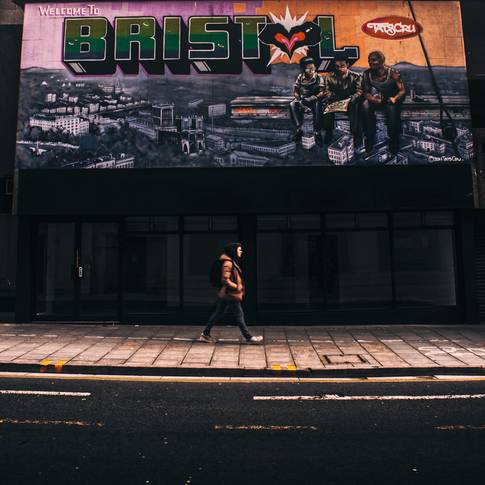
CAN recently worked with the University of Bristol on a research project which sought to compile up-to-date information on the size and health of the city’s co-operative sector, and to understand what #BuildBackBetter, ‘post-Covid’, means to local co-ops.
Concluding last year, the work noted that democratically controlled co-ops are almost twice as likely to survive the early years of business as conventional companies, and that they can contribute significantly to local economies ‘building back better’ from Covid-19.
The report looked at how local Bristol area co-operatives thought resources could be brought to bear to enable co-ops to emerge as an increasing part of the local economy by better understanding their issues and support needs.
By updating intelligence on the local co-op sector, creating a written report on findings, and holding an event for all stakeholders that publicised outcomes and considered next steps, it’s hoped that research will increase understanding of what ‘build back better’ means to local co-operatives and those who might invest resources in them.
“Bristol has a long history of seeking sustainable and alternative ways of organising and living. This makes it amenable to co-operative businesses and community benefit societies because there is a wealth of practical experience among the members and multiple examples of decades-old, successful co-operative businesses. Many of those interviewed suggested that now is the time for more co-operatives in Bristol”.
Building back strong Bristol co-operatives report
Key recommendations that emerged were to explore and facilitate online network development to improve co-operatives’ visibility, to raise awareness of local sources of finance for social and co-operative development and to conduct further research to identify “successful exemplars of co-operatives across different sectors in order to promote the co-operative model, raise awareness and build the co-operative support and development offer in the local area”
You can find out more and download the final Building Back Better report here.
The project was funded by the Temple Quarter Engagement Fund.
Photo by Harry Kessell on Unsplash